By Guest Contributor, Doc Baroque*
I had the privilege of working on Bezelbuth (2017), a supernatural horror film set against the backdrop of Mexican religious and folk traditions. The film integrated Santa Muerte and St. Jude iconography to enrich its narrative. By situating the film in Mexicali, Baja California Norte, the filmmakers underscored the cultural significance of these symbols.

Santa Muerte, a folk saint in Mexican spirituality, is associated with death, protection, and the afterlife. In Bezelbuth, Santa Muerte’s iconography is used to represent themes of mortality and the supernatural. The film featured Santa Muerte statues and altars in significant scenes, particularly in the office of Emmanuel Ritter (Joaquin Cosio). These symbols served to highlight Ritter’s connection to occult practices and the dark forces central to the film’s plot. Santa Muerte’s presence in the film underscored the protagonist’s entanglement with supernatural elements and his quest for power over dark forces. The imagery is not just decorative but integral to the film’s thematic exploration of life, death, and the supernatural.

On the set of Bezelbuth, my role was crucial as a consultant for religious iconography. I was responsible for ensuring that all statuary and artwork depicting religious symbols, particularly those associated with Santa Muerte and St. Jude, were handled with the utmost respect and reverence. Additionally, I provided expert advice on the design and use of sigils within the film, ensuring that they were portrayed accurately and sensitively within the context of the narrative. My expertise helped maintain the authenticity and cultural integrity of the film’s depiction of these significant religious elements.
****All of the Santa Muerte statuary was donated to us by local practitioners and they ranged from 5″ to 7′ in height. Additionally, they were blessed prior to their donation and returned to the devotees after the production was complete.****
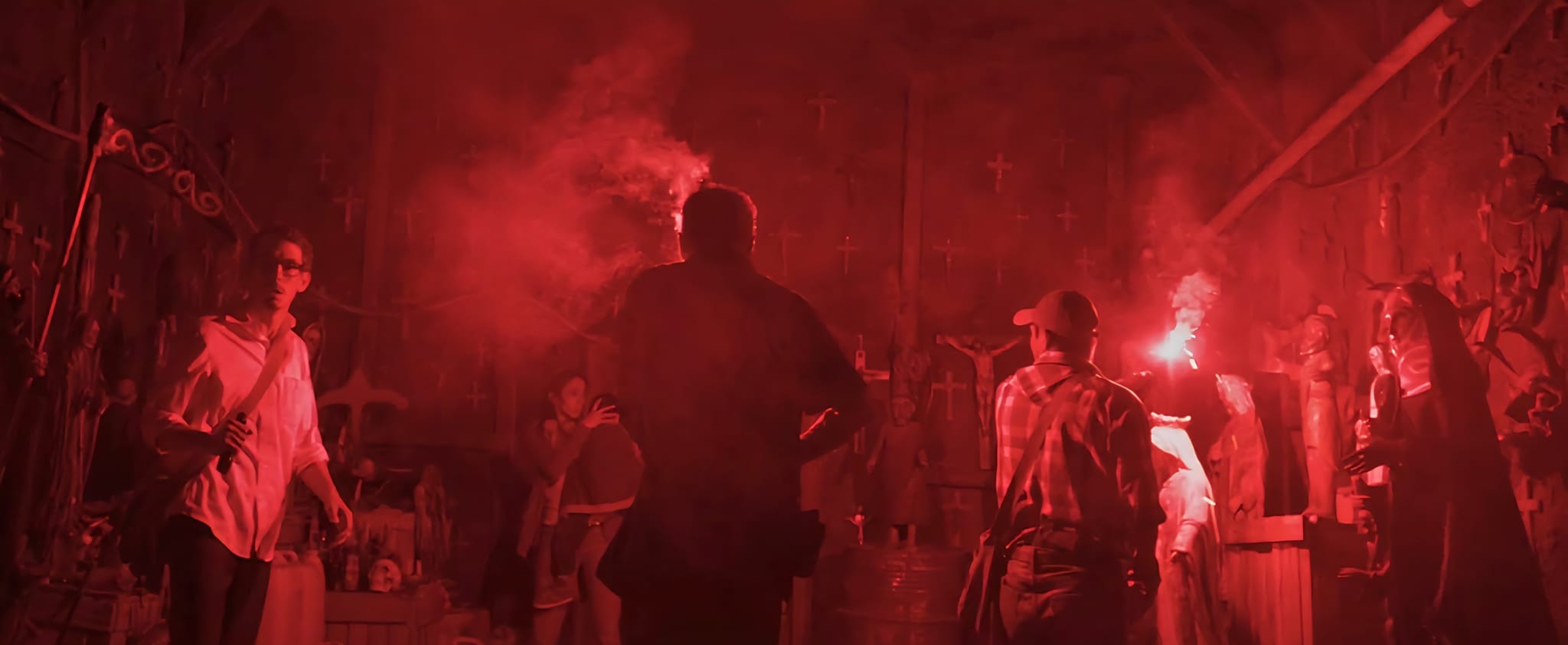
St. Jude Thaddeus is traditionally known as the patron saint of desperate cases and lost causes. His iconography in Bezelbuth added another layer of symbolic meaning. St. Jude is depicted through various religious artifacts and imagery, often contrasted with the darker symbols of Santa Muerte. This contrast highlights themes of hope versus despair and the struggle between faith and the supernatural. The inclusion of St. Jude’s imagery reflected the characters’ search for salvation and intervention in the face of overwhelming evil. It serves as a counterpoint to the dark forces represented by Santa Muerte (as noted by the writers and does not represent my personal beliefs or those of the cast and crew), suggesting a duality in the struggle between good and evil.
Mexicali, Baja California Norte (where the film was shot), provided a unique setting for Bezelbuth. The city’s location on the U.S.-Mexico border and its blend of Mexican and American cultural influences contributed to the film’s atmospheric and cultural authenticity. Filming in this region enhanced the portrayal of Santa Muerte and St. Jude within a real-world context deeply connected to Mexican religious practices.

The choice of location affected the film’s visual and thematic elements. Mexicali’s urban and cultural landscape added a layer of realism to the film’s depiction of religious iconography. The local architecture and environment contributed to the overall mood and setting, reinforcing the film’s exploration of supernatural themes.
Filming in Mexicali allowed for a deeper engagement with Mexican folk traditions and spirituality. The use of Santa Muerte and St. Jude iconography in a local setting aligned the film with culturally relevant themes, providing a more nuanced portrayal of these religious figures. This cultural context enriched the film’s narrative and helps audiences connect with the symbolic elements on a more profound level.
Bezelbuth (2017) employed Santa Muerte and St. Jude iconography to enhance its supernatural narrative, adding depth and thematic richness to the film. The use of these religious symbols was integral to the film’s exploration of mortality, faith, and the supernatural. Filming in Mexicali, Baja California Norte, contributed to the film’s cultural and aesthetic authenticity, reinforcing the connection between the narrative and Mexican spiritual traditions. By intertwining these elements, Bezelbuth created a compelling and immersive experience that resonated with both local and broader audiences.
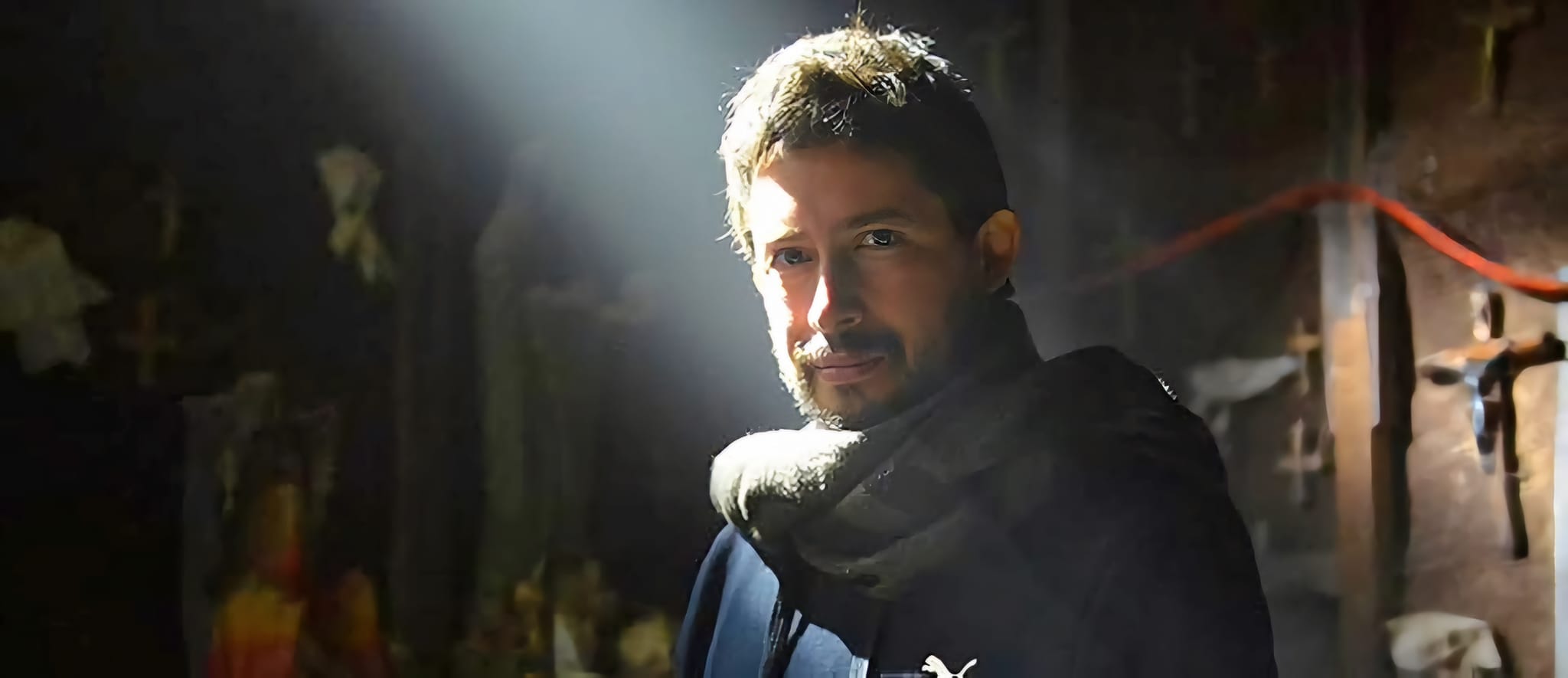
The film stills and a clip feature some of the statuary donated to production and check out the movie clip here!
*Doc Baroque is a dedicated artist and art historian with a lifelong career immersed in the arts. Holding dual MFAs in Art History and Studio Art, they also earned a PhD in Art History, specializing in Christian iconography of the 17th century, with a particular focus on the works of Caravaggio. Their extensive expertise bridges the practice and scholarly study of art, reflecting a deep commitment to both creating and understanding the visual arts. Follow them on Facebook. Instagram, and Threads

 Most Holy Death